Bigger array or a battery? What Net Billing actually pays for
The two questions every household asks, answered with the same arithmetic we use when we size a system. One of the answers usually surprises people.
By Charis Kasiouli, Mechanical Engineer · 5 min read · Published 2026-08-20
Under Net Billing the old instinct no longer works. Fitting the biggest array the roof allows used to be reasonable, because every exported unit was worth the same as one you consumed. That is no longer how it is settled.
A unit you use is worth more than twice a unit you export. So the real question is not how many panels fit. It is how much of the production you will actually consume.
The same house, four different decisions
Take a household on about 9,000 kWh a year, roughly a €200 monthly bill, on a three-phase supply. Same roof, same budget conversation. Here is what our model produces, running the year month by month:
| Situation | System | Savings / year | Payback |
|---|---|---|---|
| Evening use, no battery | 4.95 kW | €1,276 | 5.1 years |
| Evening use, 10 kWh battery | 4.95 kW + battery | €1,675 | 6.4 years |
| Daytime use, no battery | 4.95 kW | €1,769 | 3.7 years |
| Daytime use, battery by choice | 4.95 kW + battery | €2,001 | 5.3 years |
The line most people miss
Look at rows two and three. The daytime household with no battery at all saves more than the evening household that bought one, and pays the system off nearly three years sooner.
Same roof. Same equipment budget available. The difference is entirely when the electricity gets used.
Running the washing machine, the dishwasher and the pool pump at midday instead of the evening costs nothing and moves you toward the third row. That is the first thing worth trying.
When a battery genuinely earns its place
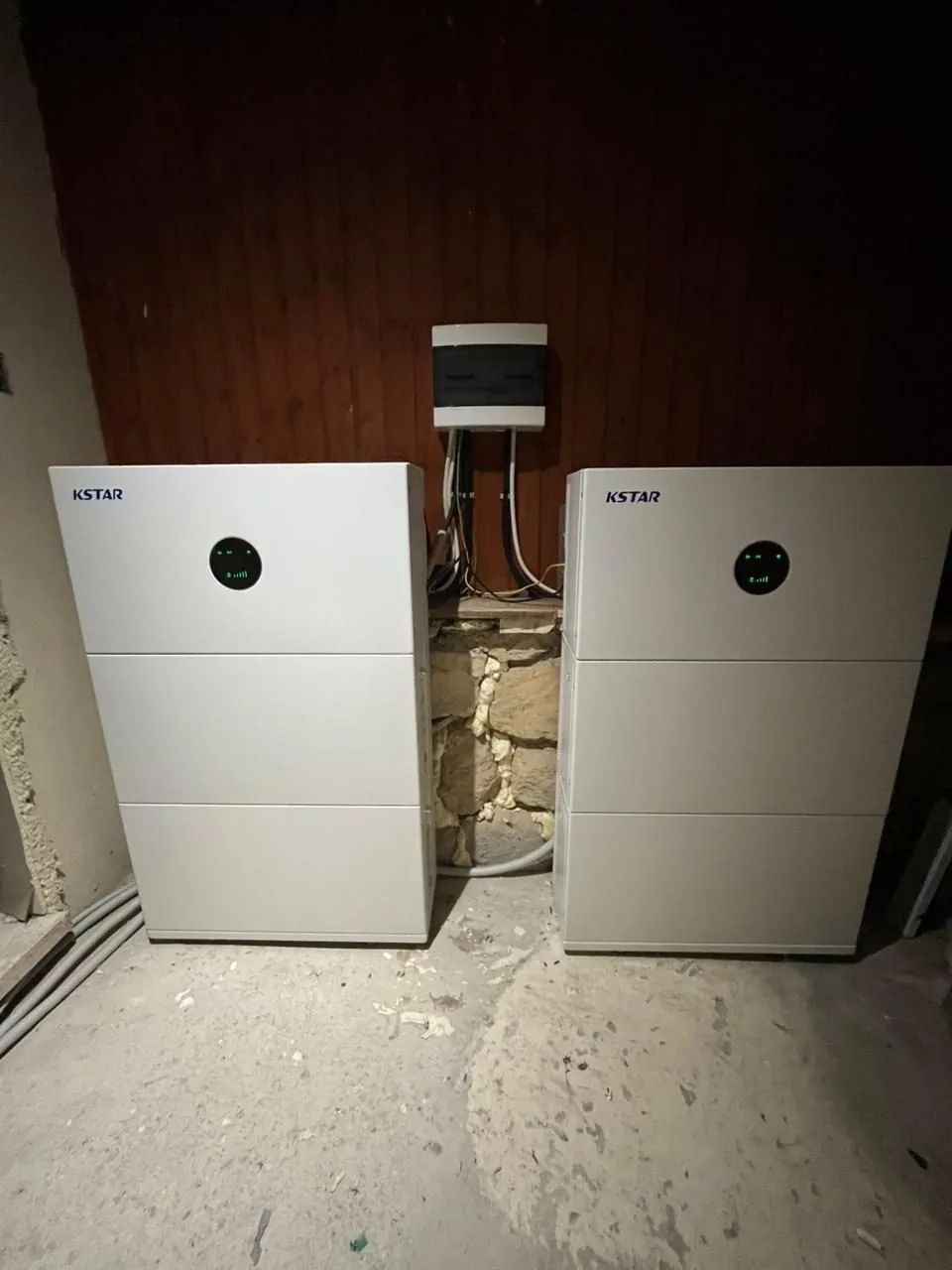
None of that makes storage a bad idea. It makes it a specific idea, for specific situations:
- Your consumption is genuinely concentrated after sunset and cannot be moved
- You want backup during outages, which no amount of load shifting provides
- You are on a supply where a battery raises the permitted system size, which happens on some single-phase connections
In the table above the battery adds around €400 a year for the evening household. That is real money. It also adds more than a year to the payback, which is the honest other half of the sentence.
When a bigger array is the wrong answer
If a large share of production would leave the property, extra panels are being bought to sell electricity at less than half what you pay for it. Our cost calculator flags this directly: when more than 45% of production would be exported, it says so rather than quietly sizing you up.
There are cases where a bigger array is right. An electric vehicle charged at home during the day, a pool pump, air conditioning running through the afternoon, someone working from home. All of these raise the share you consume directly, and all of them change the answer.
How we actually decide
We ask for bills and a description of the daily routine, then model the year rather than applying a rule of thumb. The output is a system size, a battery recommendation or a clear recommendation against one, and the reasoning behind both.
Sometimes that means proposing something smaller than the customer expected. That is a normal outcome, not a disappointing one.
Try it on your own numbers
The cost calculator runs the same monthly model on your bill and supply, and lets you switch the battery on and off to see the difference for yourself. If you want to understand the €0.26 figure first, the bill explainer breaks it down.
Related
Figures are modelled estimates for illustration, using an import cost of about €0.26/kWh and an export credit of €0.11/kWh, the Low Voltage ceiling under CERA Decision 112/2023. Both change over time. Your own result depends on roof, shading and consumption pattern.