Backup power in Cyprus: essential loads vs whole home
Not all backup is the same. The honest differences between essential-loads backup and whole-home backup, and what each actually keeps running.
By Charis Kasiouli, Mechanical Engineer · 2 min read · Published 2026-02-18 · Updated 2026-06-05
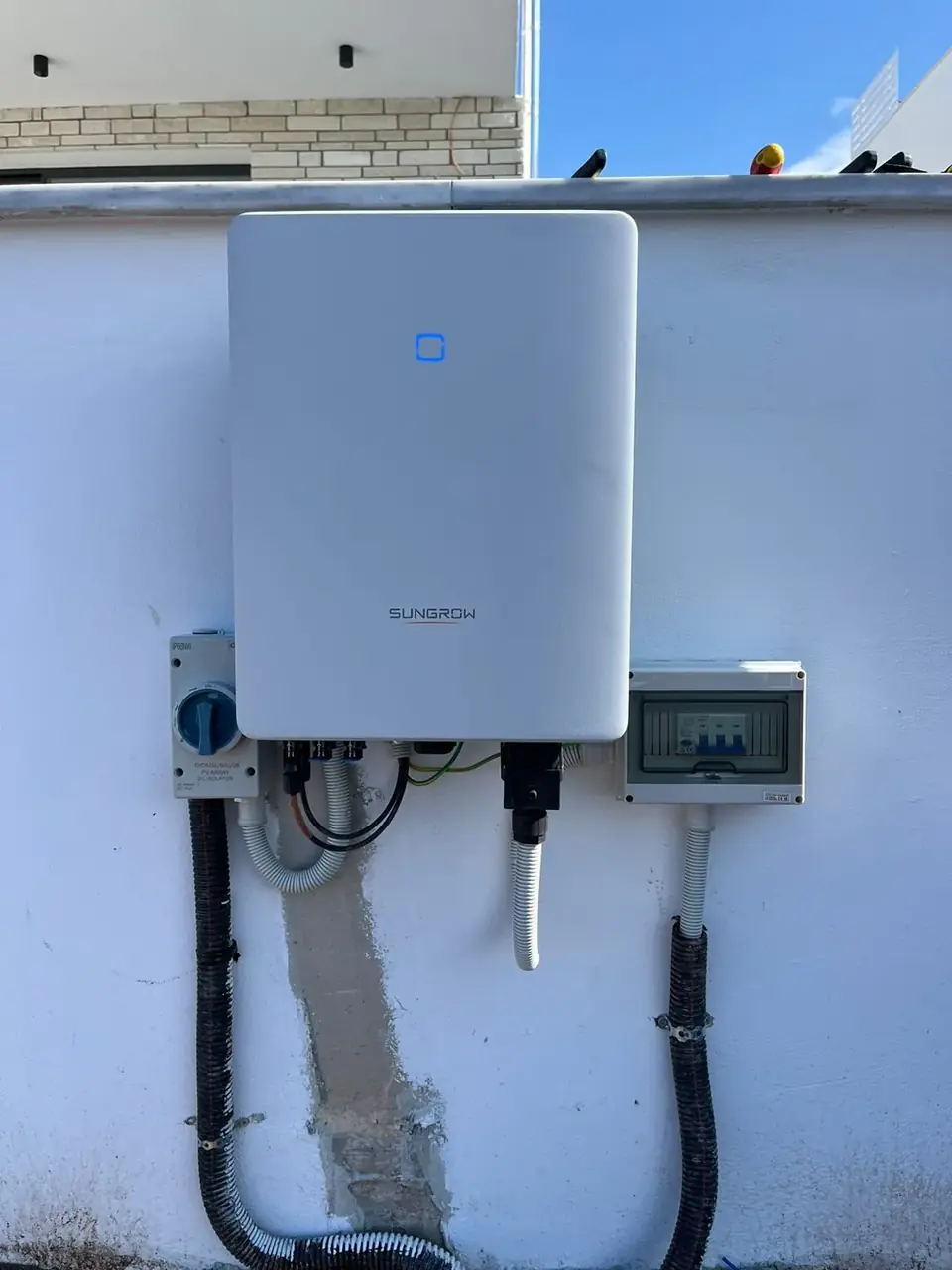
Power outages make backup capability one of the most requested features in Cyprus. It is also one of the most misunderstood, so here is the honest version.
Battery storage alone is not backup
A battery added for self-consumption does not automatically power your home during an outage. Backup requires an inverter designed for islanded operation and appropriate switchboard wiring. If backup matters to you, it must be part of the design from the start.
Essential-loads backup
Selected circuits are wired to a backup output: typically lights, the fridge, the internet router and chosen sockets. This is the most cost-effective approach and covers what most households genuinely need during an outage. High-power loads such as ovens, water heaters and large air-conditioning units are typically excluded.
Whole-home backup
The entire switchboard stays powered, within the limits of the inverter's output and the battery's capacity. This requires larger equipment, and whether simultaneous heavy loads can run depends on the specific design. We define exactly what your system can support before you sign anything, so expectations match reality.
How the switchover actually works
When the grid fails, a backup-capable hybrid inverter disconnects from the network and continues supplying the protected circuits from the battery and, during daylight, from the panels. The switchover is fast enough that most equipment keeps running.
When the grid returns, the system resynchronises and reconnects automatically. None of this happens with a standard grid-tied inverter, which must shut down during an outage for safety, regardless of how much sun is on the roof.
What determines how long you can run
- Battery energy sets how many kilowatt-hours you can draw before depletion.
- Inverter power sets how many appliances can run at the same moment.
- Daylight extends both, since panels recharge the battery during the outage.
This is why we ask about your outage priorities during the assessment: keeping a fridge, lights and internet running for many hours is a very different design from running air conditioning for two.
Our recommendation for most homes
For most households, a well-planned essential-loads backup covers what truly matters at a sensible cost. Whole-home backup is worth it for properties with medical equipment, home offices that cannot stop, or owners who simply want the comfort. Both are legitimate choices; what matters is that you choose knowingly.
Frequently asked questions
Related on our site
- Why we install LFP batteries in Cyprus
- Net Billing in Cyprus: what it means for your electricity bill
- Whole-Home Backup in Cyprus
- 5kW Solar System with 20kWh Storage
- Hybrid Inverter Installation
- Free energy assessment